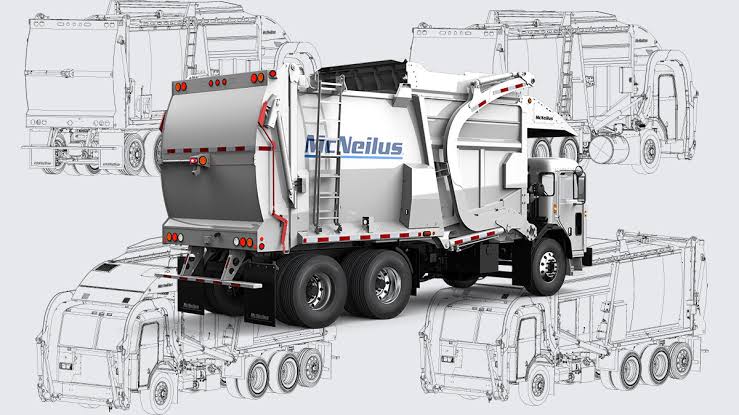
Refuse trucks operate under demanding conditions that require consistent maintenance and careful inspection. Frequent stops, repeated loading cycles, heavy waste loads, and exposure to outdoor environments can place considerable stress on vehicle components. For waste management businesses, an unexpected breakdown can disrupt collection schedules, increase repair expenses, and reduce fleet availability. Maintaining McNeilus refuse trucks through a structured preventive maintenance program can help operators identify problems early and support dependable daily performance.
Why Preventive Maintenance Matters
Preventive maintenance involves inspecting, servicing, and repairing equipment before minor issues develop into larger failures. For refuse trucks, this process is particularly important because vehicles often perform repetitive tasks throughout long working shifts.
A hydraulic leak, damaged tire, or malfunctioning loading mechanism can affect a truck’s ability to complete its route safely. When problems are overlooked, repair costs may increase and the vehicle may remain out of service for longer than necessary.
McNeilus refuse trucks have specialized collection bodies and mechanisms that require attention alongside ordinary chassis maintenance. Fleet managers should follow the maintenance instructions applicable to the specific truck and body configuration.
A planned maintenance schedule helps businesses coordinate inspections, allocate budgets, and reduce avoidable interruptions.
Conduct Daily Vehicle Inspections
Daily inspections are an important first step in maintaining a refuse truck. Before beginning a route, drivers should check essential vehicle systems and report anything unusual.
The inspection should cover tires, lights, mirrors, brakes, fluid levels, visible leaks, and warning indicators. Drivers should also examine the vehicle for obvious damage that could affect safe operation.
The refuse body and loading equipment require attention as well. Operators should follow the applicable inspection procedures for the hopper, tailgate, lifting mechanism, compaction system, and safety devices.
Any unusual noise, unexpected movement, or inconsistent operation should be reported promptly. If a defect creates a safety risk, the vehicle should not be operated until it has been assessed and cleared for service by qualified personnel.
Written inspection records help managers identify recurring issues and confirm that required checks have been completed.
Maintain Hydraulic Systems Properly
Hydraulic systems perform important functions on many refuse trucks, including operating lifting mechanisms, compactors, and other moving equipment. These systems depend on suitable fluid condition, functioning hoses, seals, pumps, and controls.
Leaks, damaged hoses, unusual operating temperatures, or inconsistent movement can indicate a problem requiring professional attention. Operators should not ignore changes in hydraulic performance simply because the equipment continues to function.
Maintenance should follow the manufacturer’s instructions for fluid specifications, inspection intervals, and servicing procedures. Repairs should be performed by qualified technicians using appropriate equipment and safety precautions.
Hydraulic systems can retain dangerous pressure even when a vehicle is switched off. Workers must follow the required isolation and pressure-release procedures before maintenance begins. Never place any part of the body beneath unsupported raised equipment.
Inspect Loading and Compaction Mechanisms
Loading mechanisms experience repeated movement throughout collection routes. Over time, components may wear, become damaged, or require adjustment.
Fleet managers should establish inspections for the moving parts, mounting points, control systems, and safety mechanisms relevant to each truck. Compaction equipment should operate according to its intended cycle, and unusual noises or inconsistent movement should be investigated.
For a McNeilus rear loader, maintenance planning should account for the specific rear-loading configuration, including its hopper, tailgate, compaction mechanism, and any installed cart tippers or container-handling equipment.
Some McNeilus rear loader configurations include features such as self-lubricating slide shoes and fewer tailgate lubrication points. However, these features do not eliminate the need to follow the maintenance schedule for the particular model.
Technicians should use the correct service documentation rather than assuming that all rear loaders have identical maintenance requirements.
Check Tires, Brakes, and Chassis Components
Chassis maintenance is just as important as refuse body maintenance. Tires, brakes, suspension, steering, and other vehicle systems influence handling, stability, and stopping performance.
Tires should be inspected for damage, abnormal wear, and correct inflation according to the applicable specifications. Brakes and suspension components should be serviced according to the chassis manufacturer’s requirements.
Fleet managers should also monitor unusual vibrations, steering changes, and warning indicators. These symptoms can indicate developing problems that require inspection.
Because refuse trucks may carry heavy loads and make frequent stops, maintenance intervals should reflect actual operating conditions and the manufacturer’s recommendations.
Source Compatible Replacement Parts
Using the correct replacement components is essential for reliable repairs. An incompatible part may not fit properly, may fail prematurely, or may affect the performance of a vehicle system.
When sourcing McNeilus rear loader parts, businesses should identify the exact truck model, production year, serial number where required, and component details. Photos and existing part numbers may help suppliers identify the required item, but compatibility should always be confirmed.
Fleet managers should compare availability, warranty terms, delivery timelines, and technical assistance. They should also keep accurate records of installed components and completed repairs.
For larger operations, maintaining a limited inventory of frequently needed items can help reduce waiting time. Inventory levels should be based on actual usage, supplier lead times, and the operational consequences of vehicle downtime.
Work With Qualified Service Providers
Some maintenance tasks can be completed through established operator inspection procedures, while complex hydraulic, electrical, and mechanical repairs require qualified technicians.
Ten-8 Industrial offers McNeilus refuse truck service and parts support within its service region, including Alabama, Florida, Georgia, and Mississippi. Its listed services include diagnostics, refuse body repairs, hydraulic system support, preventive maintenance, and access to replacement parts.
Businesses should confirm the current availability of these services and verify that the provider supports their particular vehicle and location before arranging work.
When requesting assistance, managers should supply the truck’s identification details, describe the symptoms clearly, and share relevant maintenance history. Accurate information can help technicians assess the issue and determine the appropriate next steps.
Maintain Accurate Service Records
A detailed maintenance history helps businesses understand the condition and operating costs of each vehicle. Records should include inspection results, repairs, replaced components, service dates, mileage or operating hours, and recurring faults.
These records can reveal patterns that might otherwise go unnoticed. For example, repeated problems involving the same component may justify a more detailed inspection or a review of operating procedures.
Service histories are also useful when budgeting for future repairs or evaluating whether an older truck should be replaced.
Fleet managers should review records regularly and use them to plan servicing during periods when vehicles can be removed from collection schedules with minimal disruption.
Prepare for Seasonal and Heavy Workloads
Operating conditions can change throughout the year. Weather, waste volumes, road conditions, and collection schedules may affect maintenance requirements.
Before particularly demanding periods, businesses should review the condition of essential vehicle systems and confirm that scheduled servicing is up to date. They should also ensure that operators know how to report faults and respond to equipment warnings.
After unusually heavy workloads, inspections may help identify developing wear or damage. Maintenance planning should remain based on the manufacturer’s guidance and the actual condition of each truck.
Conclusion
Maintaining McNeilus refuse trucks requires consistent inspections, proper hydraulic and loading-system care, chassis servicing, and accurate repair records. Preventive maintenance helps fleet managers identify problems early and plan work before equipment failures disrupt collection schedules.
Businesses should also verify replacement-part compatibility and work with qualified service providers when specialist repairs are required. By following the maintenance requirements of each truck and researching support options such as Ten-8 Industrial, waste management companies can support safer operations, improve vehicle availability, and manage long-term fleet costs.